One Lighting Standard Across a Grocery-Anchored Retail Portfolio
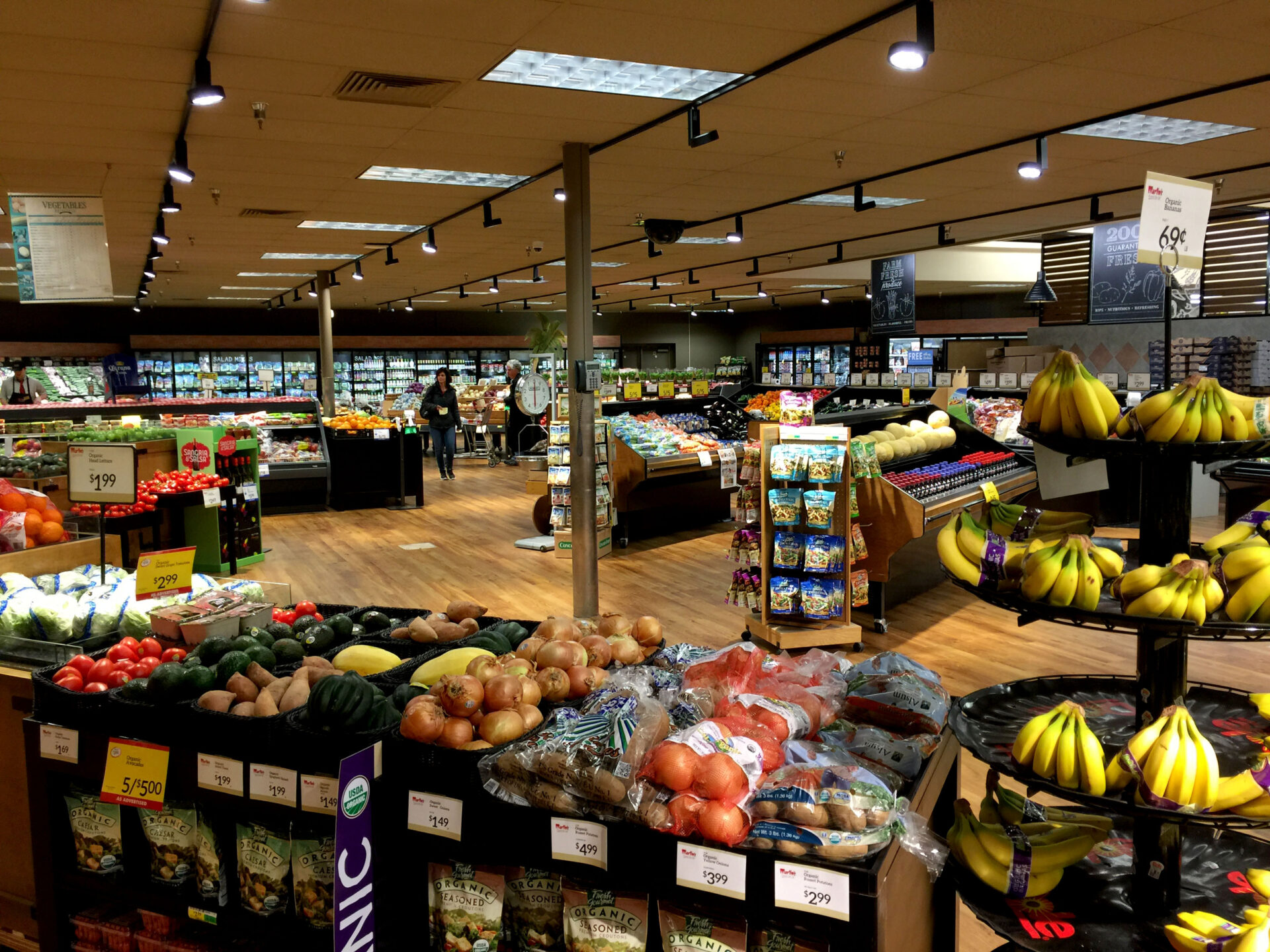
Grocery-anchored retail portfolios that grow through acquisition tend to inherit a different lighting system at every property.
This case describes how OSL builds one standard across a portfolio like that: a standardized lighting survey at every site, a master photometric design that adapts to each property, coordinated installation through our network of more than 400 electrical contractors, and utility rebate capture managed from pre-approval through submission.
The result is one lighting standard, one documentation set, and one accountable partner across every property.
The Situation
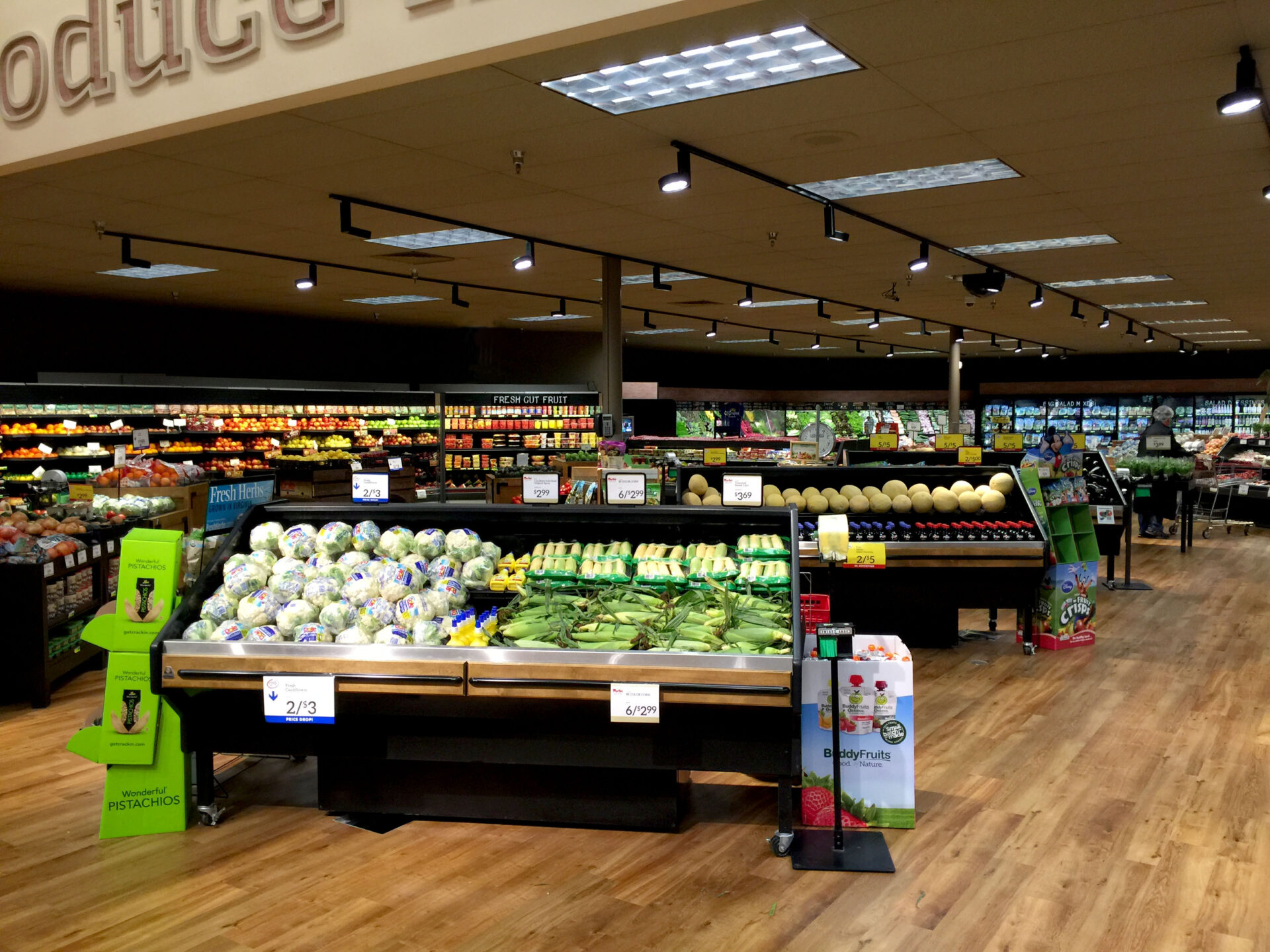
Portfolios that grow through acquisition tend to inherit lighting the way they inherit roofs and parking surfaces: as-is, with whatever records the seller kept. Fixture types vary site to site. Some parking fields were upgraded to LED years earlier.
Others still run legacy fixtures approaching the end of their service life. Maintenance is reactive, and no single record exists of what is installed anywhere.
The timing pressure is real. First-generation LED installations from 2010 to 2015 are reaching the end of their performance life across an estimated 7.3 billion square feet of commercial space.
Owners who moved early on LED are back in the market, and portfolios carrying a mix of aging LED and legacy fixtures face that transition without a baseline.
What a facilities team in this position is missing is not effort. It is the baseline: an accurate portfolio lighting assessment across multiple properties that shows what they own, what it costs them, and where to start.
The Scope
A standardized lighting survey across the property portfolio
The engagement begins with a commercial lighting site survey at every property, run to the same process and delivered in the same format. Our field teams document the existing system fixture by fixture: type, count, wattage, mounting height, pole location, and condition.
The lighting fixture inventory survey covers parking fields, drive aisles, pedestrian routes, building entries, and perimeter areas, along with the electrical infrastructure feeding each system.
For the first time, the full lighting inventory exists in one place. Because every site is surveyed the same way, the operator can compare like to like across the portfolio instead of reconciling a different report from a different vendor in each market.
Photometric design built for the portfolio, adapted to each site
From that measured baseline, our design team produces a master specification: zone-by-zone photometric analysis establishing footcandle levels and uniformity ratios for each area type, written to performance parameters rather than product lines.
The master specification holds consistent standards across the portfolio while adapting to the conditions of each individual site. Because OSL is manufacturing-agnostic, fixture selection at every property is driven by what that site requires, not by any single catalog.
Across our project history, that design discipline consistently removes 15 to 25 percent of fixtures from a typical initial proposal without compromising light levels.
Coordinated installation and rebate capture, built in from the start
Installation runs through OSL's Turn Key Install System, coordinated across the operator's markets through our network of more than 400 electrical contractors in the lower 48 states. The same team that produced the specification manages the contractors executing it, so the design intent reaches the field intact at every site.
Commercial lighting rebate capture is engineered into the program before design is finalized. The window matters right now: average prescriptive lighting incentives rose about 17 percent in 2026, with outdoor categories up 30 percent or more, and LED-to-LED eligibility expanded to 22 percent more utility programs.
We identify the active programs in each utility territory, confirm every specified fixture against the DLC Qualified Products List, which 75 percent of North American utility programs require for eligibility, and manage pre-approval deadlines across the portfolio so no incentive window closes unnoticed. With incentives captured, typical payback runs one to four years.
The Outcome
The portfolio operates on one lighting standard. Every property carries the same documentation: as-built lighting records, photometric calculations, fixture and order history, and the rebate file for each utility territory.
The results this approach produces are measurable. Across OSL's client portfolio in a single year: $3,429,271 in energy cost savings, 29,965,595 kWh of electricity eliminated, and 21,059 metric tons of CO2 prevented.
Those outcomes trace directly to design work done correctly at the front end, on properties that started with photometric analysis rather than vendor proposals.
Just as important is what the operator no longer deals with. Bids across sites become comparable because there is one specification to bid against. Maintenance planning works from a real inventory instead of guesswork.
And when the next acquisition closes, the survey process that built the baseline is ready to extend to the new sites. A multi-site lighting installation program earns its keep over years, not months.
Considering something similar for your portfolio?
If your properties have grown faster than your lighting records, the first step is straightforward.
We look at what you are working with and give you an honest picture of what a portfolio-wide program would require. Start by clicking at CONTACT US, or reach Marshall directly at 763-682-7114 or [email protected].