Indoor Lighting Design Trends for Commercial Properties
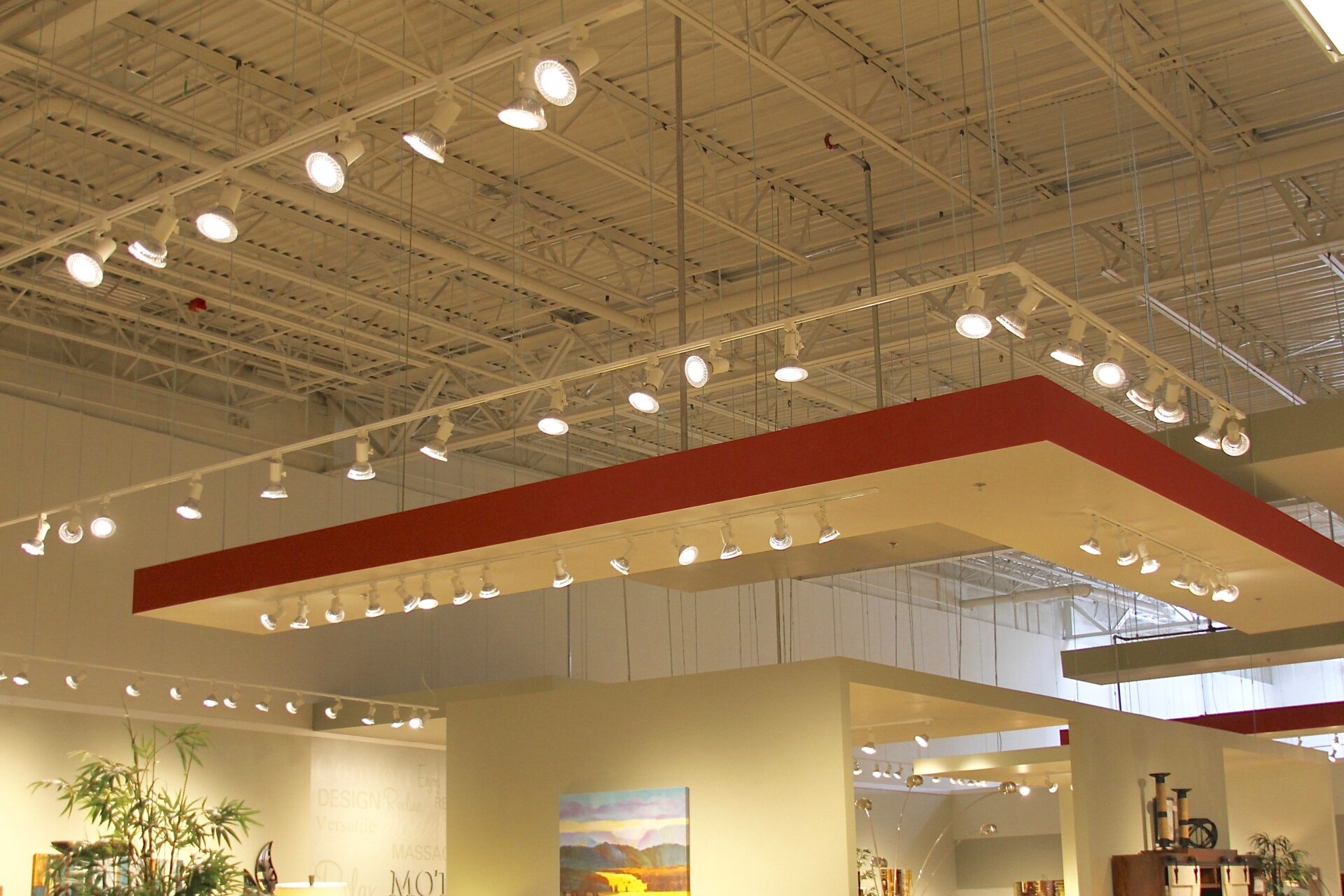
Indoor commercial lighting is having the same reckoning outdoor lighting had a decade ago: owners are discovering that fixture-by-fixture replacement without a design produces spaces that are technically lit and visibly wrong.
The trends that matter now are less about new products and more about discipline: color temperature coherence across the space, controls matched to how the space is actually occupied, specifications written to performance rather than catalog numbers, and combining indoor and outdoor scopes under one design standard so the property reads as one environment from the parking lot to the back office.
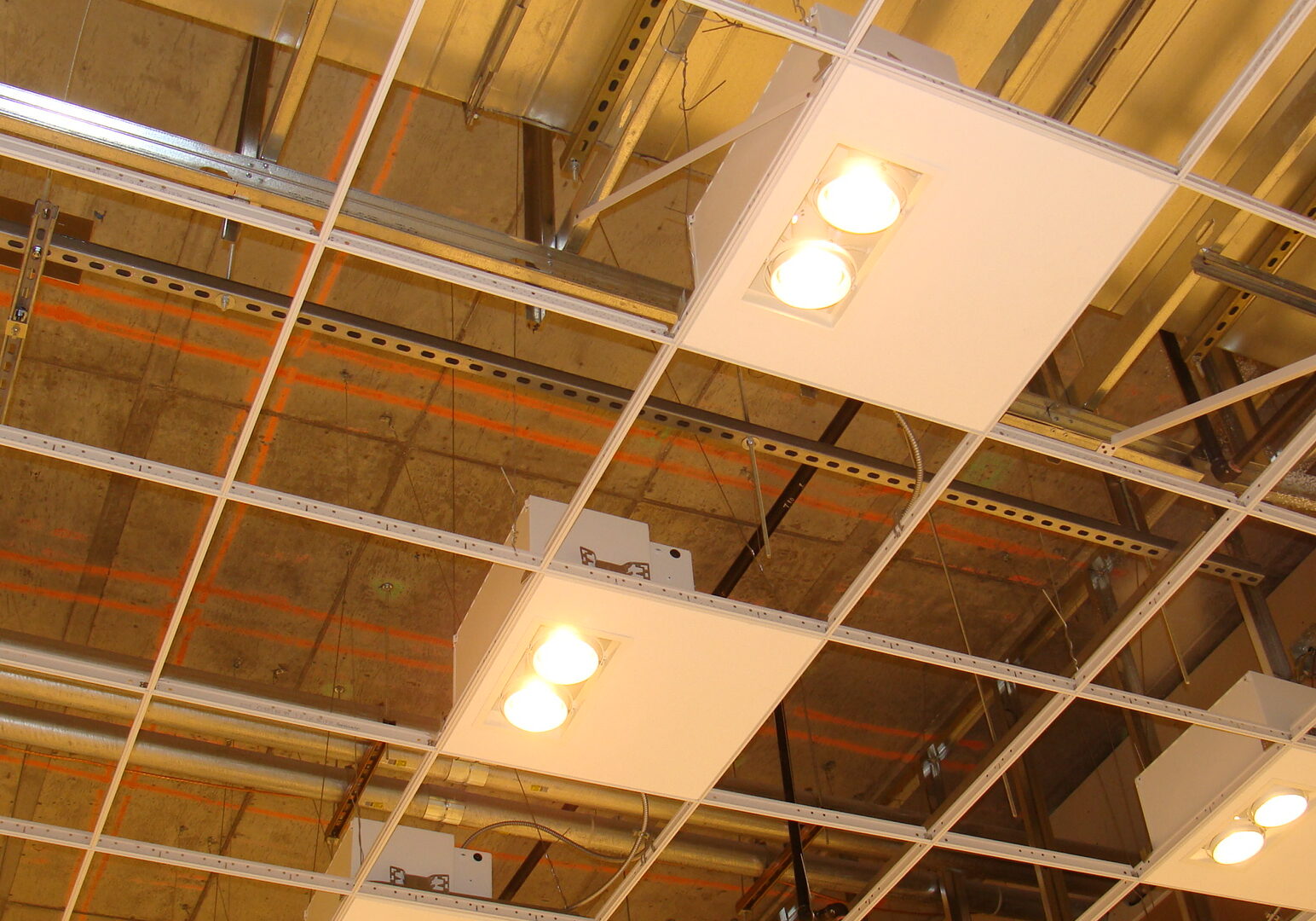

1. Color Temperature Coherence Moves Indoors
The coherence principle that governs good exterior work applies with more force indoors, where occupants live with the light for hours at a time.
A retail floor specified at one color temperature with back-of-house and entry zones at noticeably different temperatures creates a visually disjointed experience that occupants feel even when they cannot name it.
The trend among well-run properties is a deliberate CCT strategy for the whole interior, matched to the space's purpose: presentation areas, work areas, and transition zones each specified intentionally, and consistently.
2. Controls Follow Occupancy, Not Habit
Interior spaces rarely need every fixture at full output all day, and controls have matured past the wall switch.
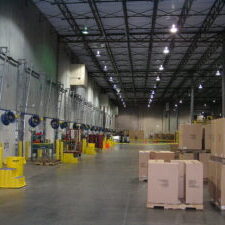
Occupancy-based strategies in warehouses, daylight response near glazing, and scheduled scenes in retail and office environments capture energy savings while improving how the space feels through the day.
The design question is mapping the controls to how the space actually operates, which is why controls belong in the design phase rather than the change-order phase.
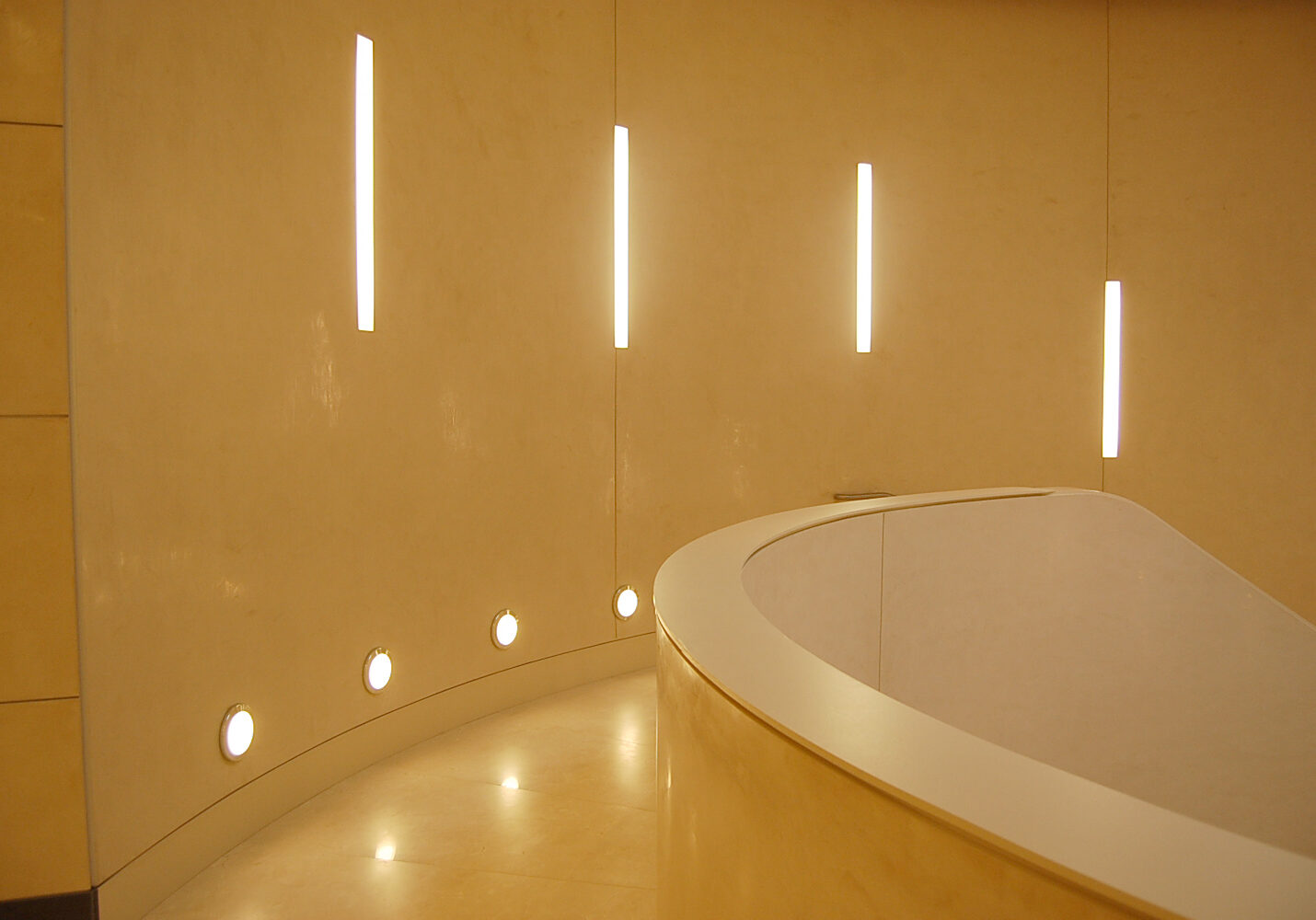
3. Specification by Performance, Not by Catalog Number
The habit of replacing an interior fixture with whatever matches its shape is how buildings accumulate a dozen color temperatures and a maintenance closet full of one-off products.
Specifications written to performance parameters, light levels, distribution, color quality, and controls compatibility, keep the interior consistent through years of maintenance and let competitive bidding work in the owner's favor. Because OSL is manufacturing-agnostic, an indoor specification draws on the full field of manufacturers, the same way our outdoor work does.
4. Presentation Lighting Earns Its Keep in Retail
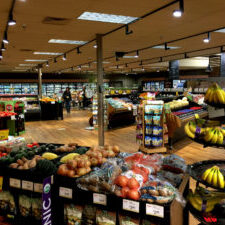
For showrooms and retail floors, lighting is part of the merchandising. Color rendering determines whether product looks the way it was designed to look, and the difference is visible to customers even when the cause is not.
Spaces that sell appearance, from furniture showrooms to grocery fresh departments, are treating lighting quality as a revenue input rather than a utility cost, and specifying accordingly.
5. One Standard, Inside and Out
The strongest trend is organizational: owners consolidating interior and exterior lighting under one design standard and one accountable partner.
A property where the parking field, the entry, and the interior hold a coherent character of light reads as managed, and the operational version of that coherence is one specification set, one documentation package, and one warranty process instead of a vendor per zone. OSL works as a single source partner across interior and exterior lighting for exactly that reason.
We offer a free project review
If your interior has grown a patchwork of fixtures and temperatures, a design pass costs far less than living with it.
Click at Start Here or reach Marshall at 763-682-7114.